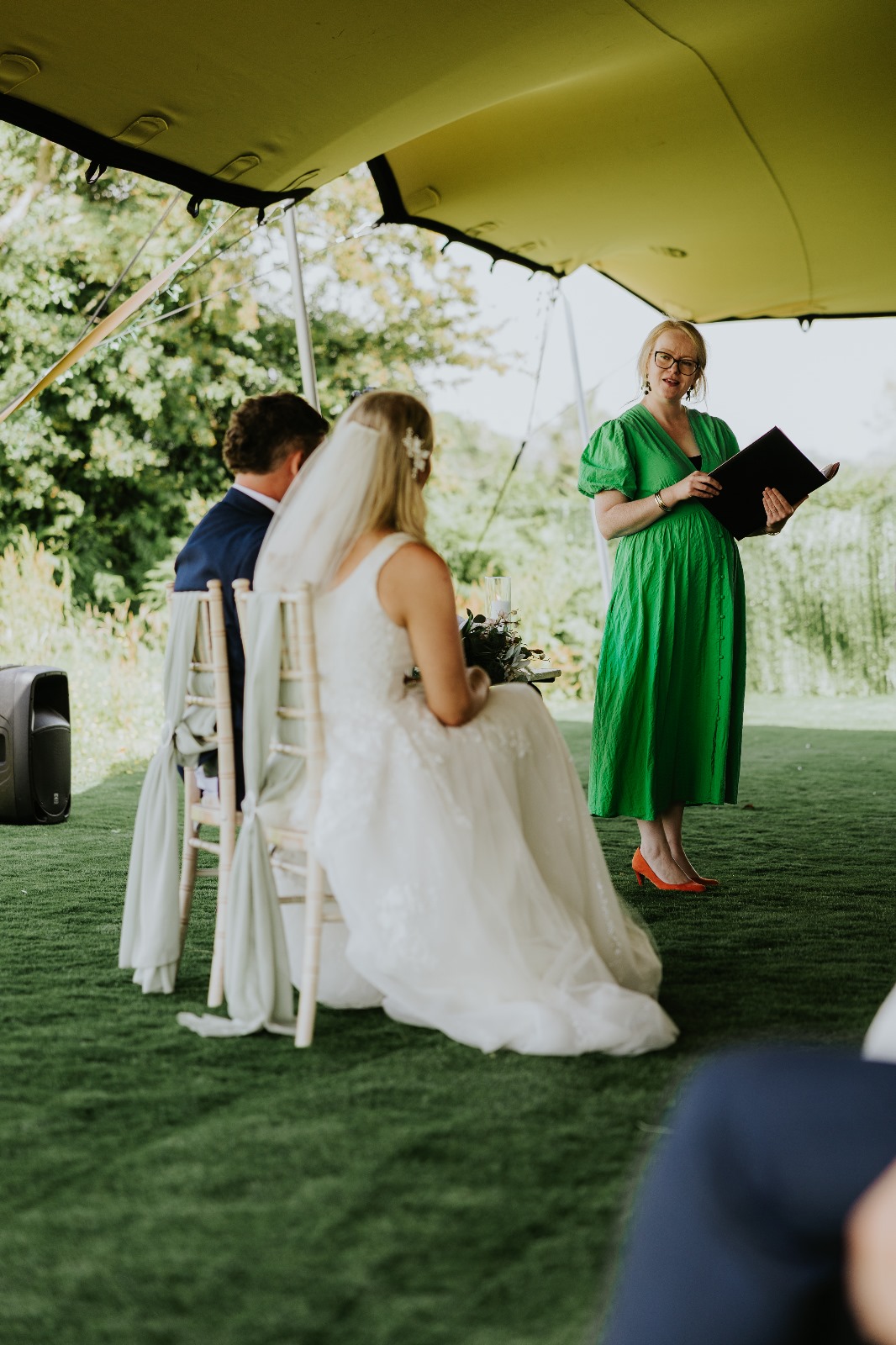
If you’re planning a wedding in Northern Ireland and you’re not sure whether to go humanist or civil, you’re not alone. It’s one of the questions I get asked most often, and honestly, it’s a really good one. Both are non-religious, both are legal, but they are very different experiences. So let’s break it down.
What Is a Civil Ceremony?
A civil ceremony is a legal, non-religious wedding conducted by a registrar – a government official from the General Register Office of Northern Ireland (GRONI). Civil ceremonies can take place in a register office or in an approved venue, such as a hotel or licensed wedding venue.
The key thing to know about civil ceremonies is that they are quite structured. There are legal requirements around what can and cannot be included, and registrars follow a set format. You can personalise certain elements – choosing your own readings and music, for example – but the core of the ceremony is fixed. There can be no religious content whatsoever, which includes certain hymns, poems or readings that have religious references, even subtle ones.
Civil ceremonies are typically shorter, often lasting around 20 to 30 minutes, and the registrar will be meeting you for the first time on your wedding day, or perhaps briefly beforehand.
What Is a Humanist Wedding Ceremony?
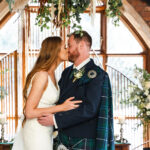
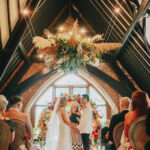
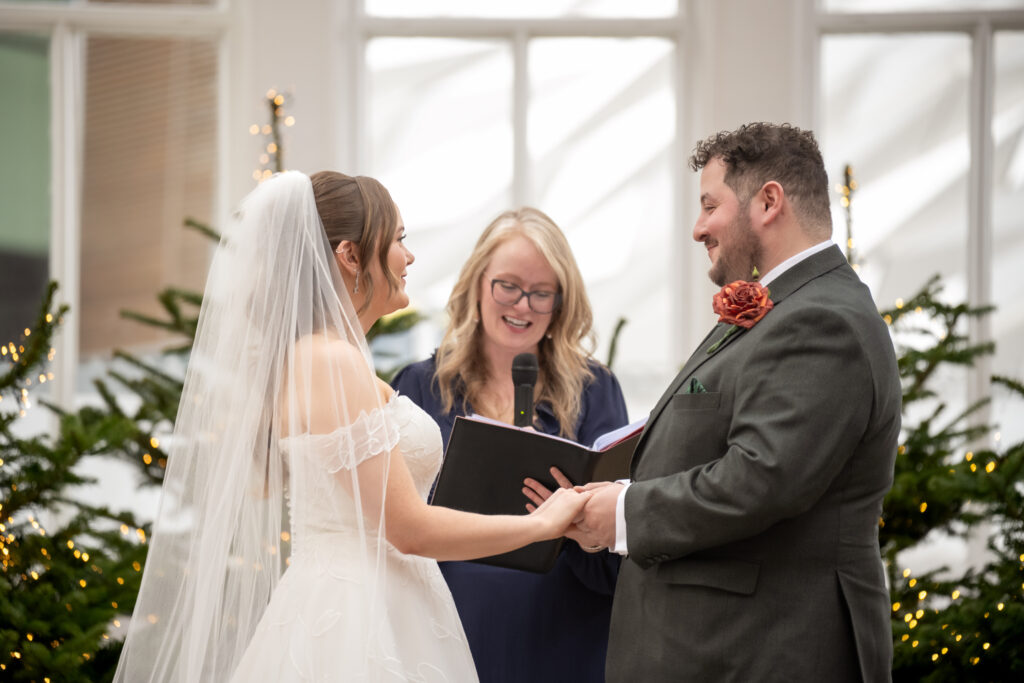
A humanist wedding ceremony is a fully legal, completely non-religious ceremony led by a celebrant trained by a humanist organisation, the most popular being Humanists UK who I am proud to be accredited by. In Northern Ireland, humanist marriages gained legal recognition in 2018, which was a huge moment for couples who wanted something personal, meaningful and completely their own.
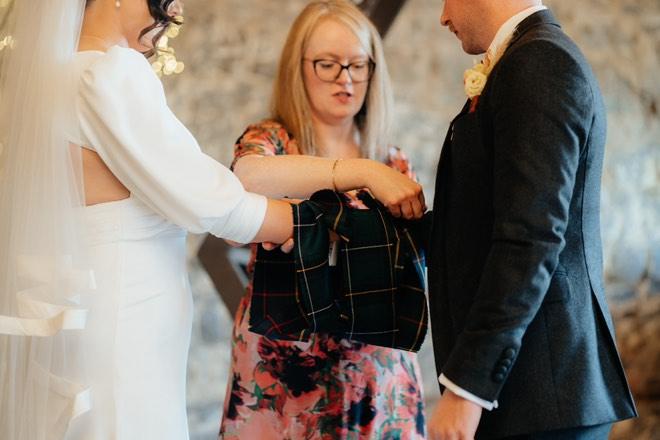
Here is where things get exciting. A humanist ceremony has almost no restrictions on content. You can include anything that is meaningful to you – poems, songs, rituals, handfastings, unity candles, readings from your favourite book, a speech from your best friend, your dog as ring bearer. If it matters to you, we can make it part of your ceremony.
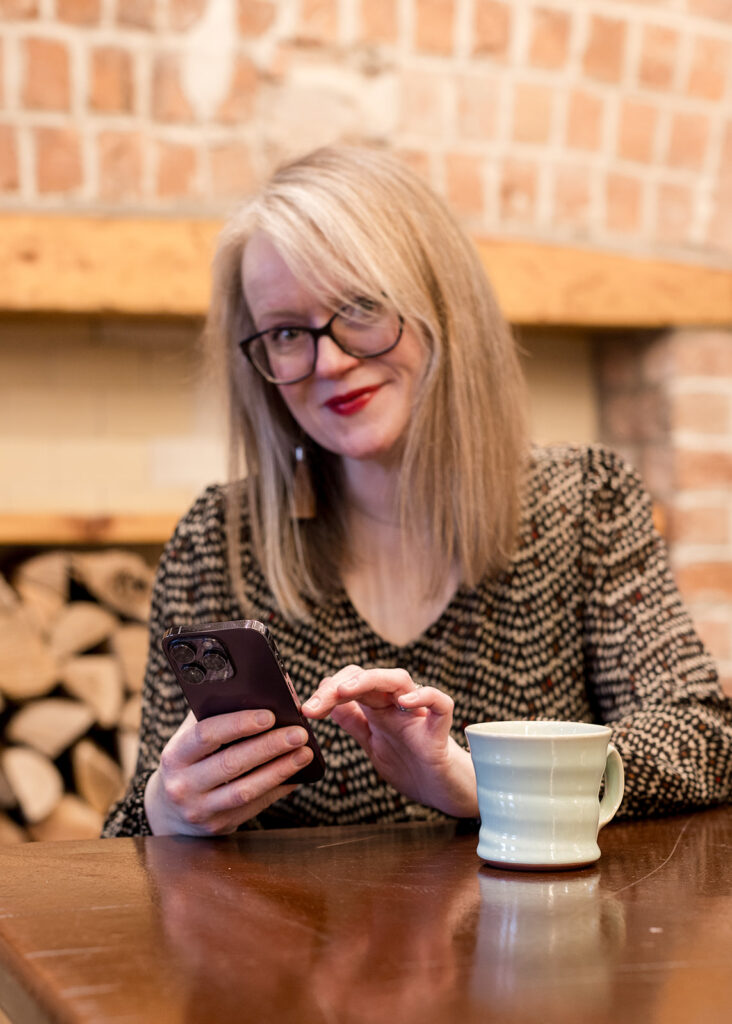
More importantly, a humanist celebrant gets to know you. Before your wedding day, we spend real time together – over coffee, on video calls, through questionnaires – learning your story, your personalities, how you met, what makes you laugh, what makes you cry, what your relationship actually looks like. That detail goes into a completely bespoke script, written just for you, that tells your story and reflects who you are as a couple.
The Key Differences at a Glance
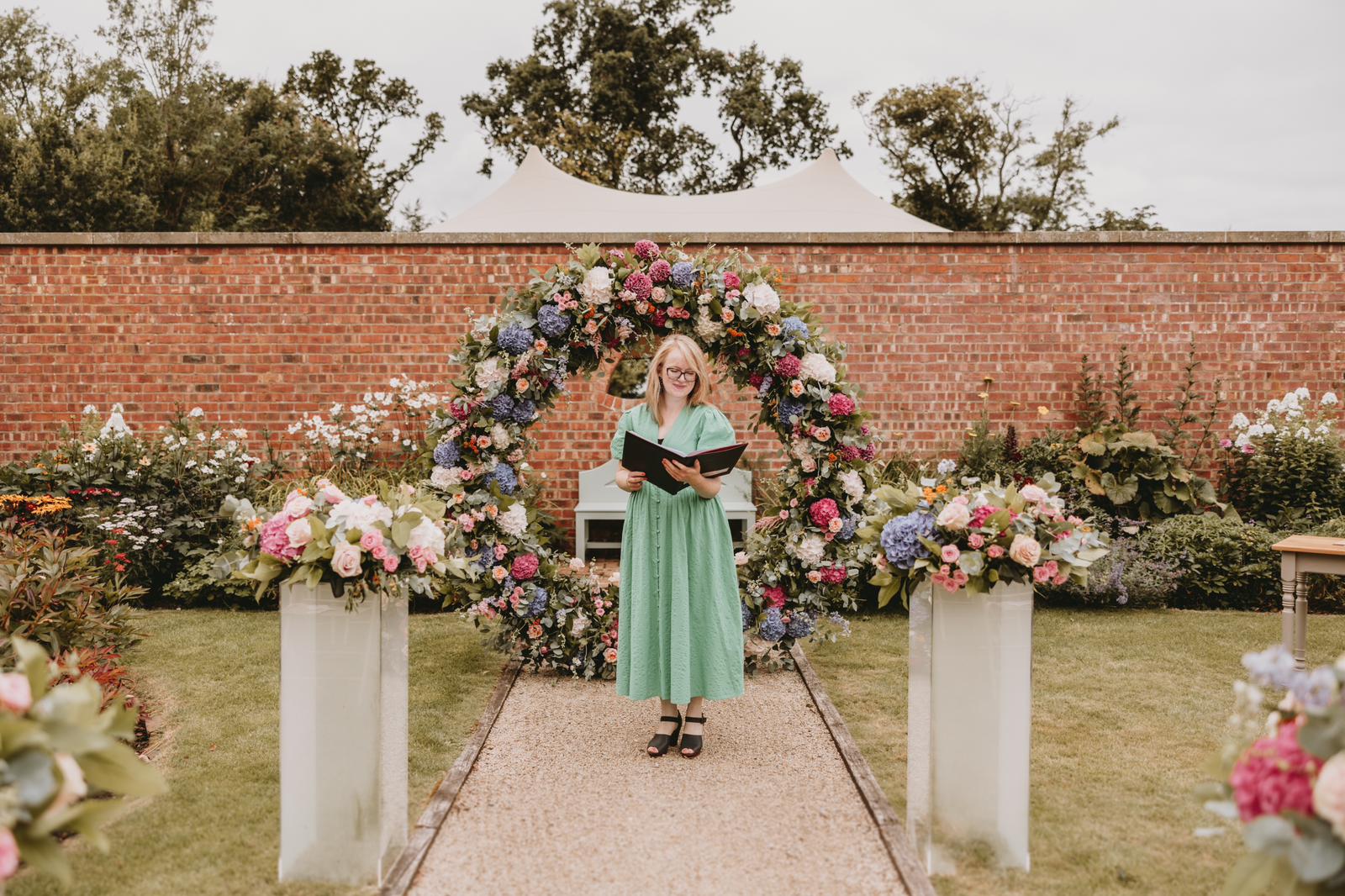
Venue restrictions Civil ceremonies must take place in a register office or a venue that holds a licence for weddings. Humanist ceremonies have no such restriction. I can marry you in a forest, a beach, a garden, a field, a castle – anywhere that makes your heart happy, any day of the week, any time of year.
Length and structure Civil ceremonies tend to be shorter and follow a set structure. A humanist ceremony is typically longer – usually 30 to 45 minutes – and the structure is entirely built around you.
Personalisation Civil ceremonies allow some personalisation within strict guidelines. Humanist ceremonies are personalised from start to finish. There is no template, no copy-and-paste script, no awkward bits that don’t feel like you.
The relationship with your celebrant With a civil ceremony, your registrar is a professional doing their job. With a humanist celebrant, you build a genuine relationship. I always say that by the time a couple’s wedding day arrives, I feel like I already know them inside out. That comes through in the ceremony – guests notice it, couples feel it, and it makes the whole thing so much more meaningful.
Content restrictions Civil ceremonies have strict content rules. Humanist ceremonies have virtually none, as long as content is non-religious. Want to include a passage from your favourite novel, a song your dad used to sing, or a ritual that reflects your cultural heritage? All of that is welcome.
Cost Civil ceremonies typically cost less, as registrar fees are set by the government. Humanist celebrant fees vary but reflect the significant preparation and personalisation that goes into each ceremony. As a rough guide, my wedding fees start from £675.
So Which Should You Choose?
There is no wrong answer. Some couples love the simplicity and straightforwardness of a civil ceremony. Others want something that feels completely theirs, that makes their guests laugh and cry and say “that was the best ceremony I have ever been to.”
If you are someone who wants to stand up in front of your favourite people and have a ceremony that actually sounds like you – that tells your real story, that has your friends nodding along because every word rings true – then a humanist ceremony is probably your thing.
I work with couples across Northern Ireland, from Belfast to Bangor, Antrim to Armagh, and beyond. I am a fully trained and accredited humanist celebrant with Humanists UK, and I am proud to be a recommended supplier at Larchfield Estate. If you would like to have a no-obligation chat about what a humanist ceremony could look like for you, I would absolutely love to hear from you.
One More Thing Worth Knowing
In Northern Ireland, you will need to register your marriage separately with GRONI regardless of whether you have a civil or humanist ceremony. Your humanist celebrant will guide you through all of that paperwork – it is straightforward, I promise.
Thinking about a humanist wedding ceremony in Northern Ireland? Get in touch for a free, relaxed video call and let’s have a chat about your plans. I genuinely love talking about this stuff.

Stefanie Onipko is a humanist wedding celebrant based in Donaghadee, Northern Ireland, offering weddings, vow renewals and naming ceremonies across Belfast, County Down, County Antrim and beyond.